


About Leeds Town Hall
Leeds Town Hall is a Grade I listed building designed by architect Cuthbert Brodrick. Its grand Victorian interior includes a concert hall, courtroom, Bridewell prison cells and meeting rooms. Since opening in 1858, the building has played a significant role in the civic, cultural and musical life of Leeds.
In recent decades the building has been home to some of Leeds' best-loved events, including the Leeds International Beer Festival, Leeds International Film Festival, Leeds International Orchestral Series, Leeds International Piano Competition, and Light Night Leeds installations.
Discover some of the key moments that have shaped the history of one of Leeds' most iconic buildings.
1850
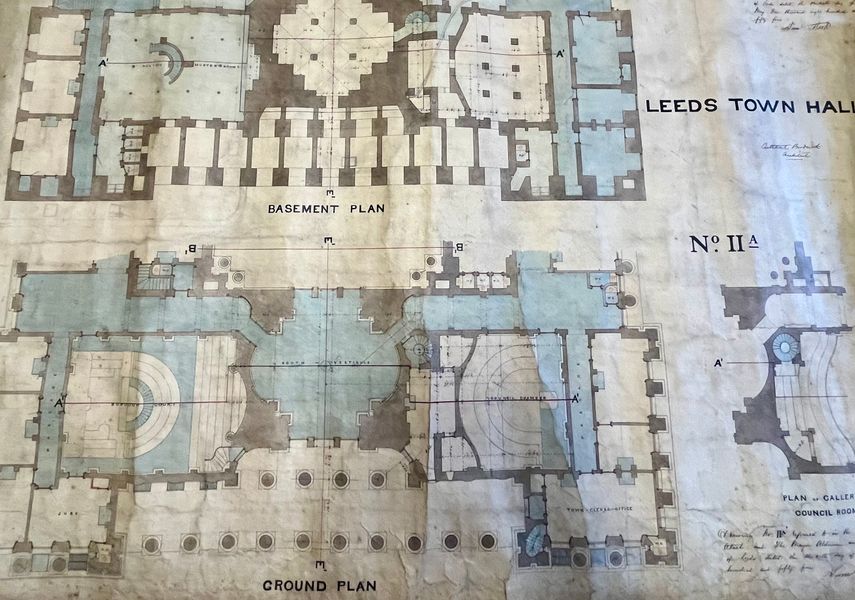
Leeds Borough Council agrees plans to build a grand new Town Hall, reflecting the city's rapid growth and ambition during the Victorian era.
1852
A design competition is announced for Leeds Town Hall, judged by Houses of Parliament architect Sir Charles Barry. The winning design is submitted by a young architect from Hull, Cuthbert Brodrick, who would later design several other Leeds landmarks including the Corn Exchange and Leeds City Museum.
1853
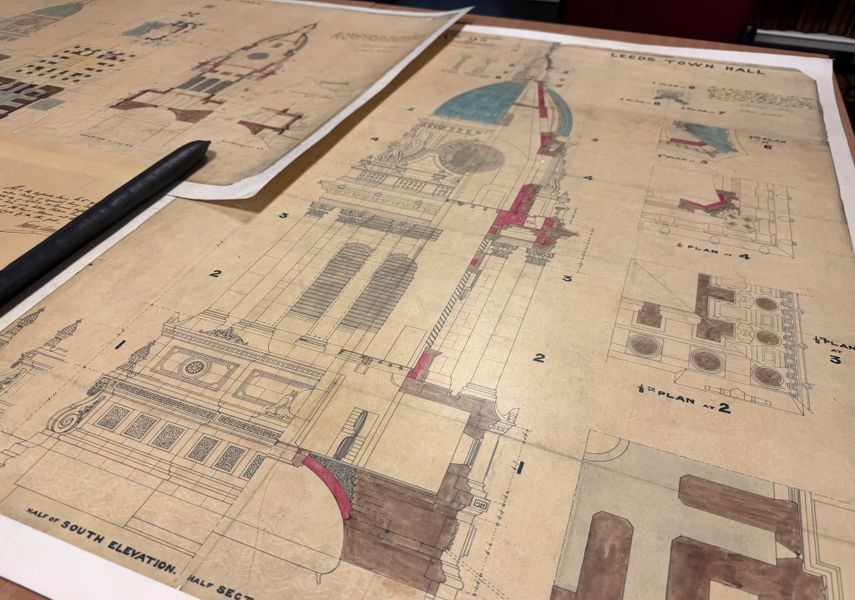
Work begins on Leeds Town Hall, with local builder Samuel Atack appointed to construct Cuthbert Brodrick's ambitious design. The foundation stone is laid by the Mayor of Leeds, John Hope Shaw, during celebrations attended by tens of thousands of people.
In August, Cuthbert Brodrick is asked to prepare drawings for the addition of a tower, but the council decides not to go ahead with the plans. However, £1,500 was authorised to spend on basic structural alterations so that a tower could be added at a later date.
1856
The Town Hall's clock tower is added to Cuthbert Brodrick's original design during construction. Work on the tower continues after the official opening. The bell is installed in the tower in 1860.
1858
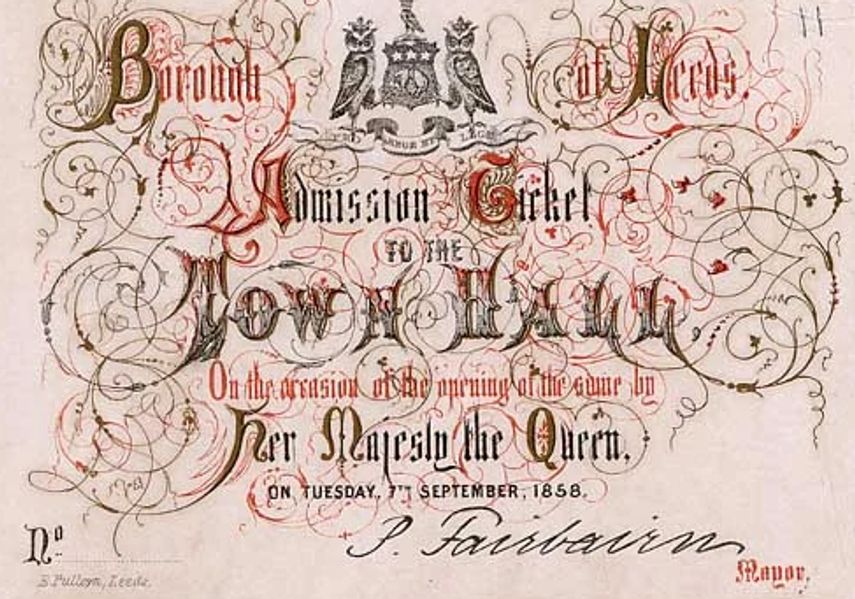
After five years of planning and construction, Leeds Town Hall is completed. Thousands of people line the city's streets on 7 September 1858 to watch Queen Victoria open the building, the first time a reigning monarch visits the city.
The official opening is covered by the Illustrated London News, with reports featuring a colour impression of the building taken from a watercolour by R P Leitch and etchings from Her Majesty’s visit by artist Orlando Jewitt.
1867
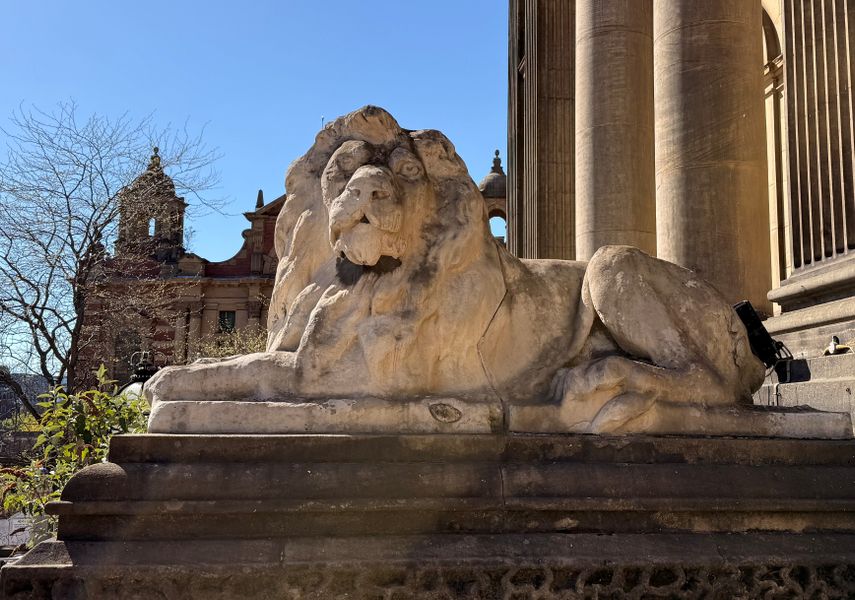
The four stone lions are added, a pair on each side of the main entrance. They are sculpted from Portland Stone by William Day Keyworth of London after studying the lions at London Zoo.
1930s & 1940s
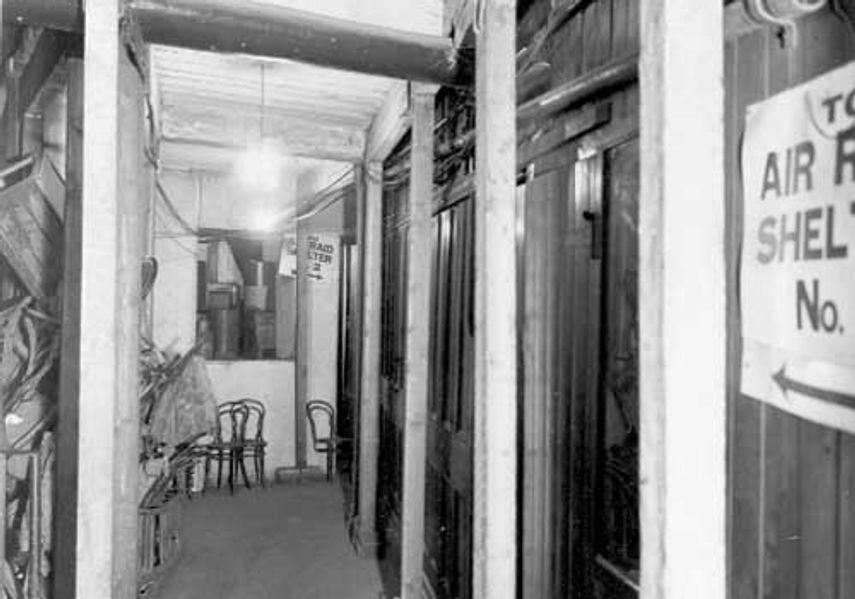
During World War II, the Town Hall crypt serves as an Air Raid Protection Post. On 15 March 1941, a Luftwaffe bombing raid causes severe damage to the roof and eastern side of the building.
From 1942 onwards the crypt is used as a wartime communal feeding centre. The British Restaurant is very popular and is refurbished in 1960. It closes in 1966.
1951
Leeds Town Hall is awarded Grade I listed status in recognition of its exceptional architectural and historic importance.
1978-9
The condition of the ornate plaster in the Victoria Hall causes concern. Fragments of plaster dropping from the ceiling need extensive restoration works.
1993
The Bridewell, housing generations of Leeds' petty criminals beneath the Town Hall, closes when court functions moved to the newly opened Leeds Combined Court Centre.
2004
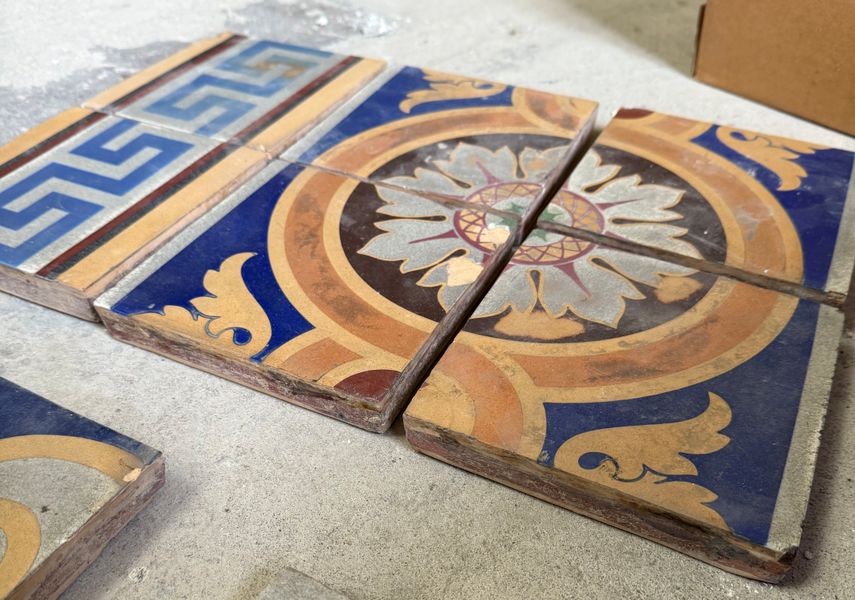
Leeds Town Hall closes for eight months for restoration and refurbishment work to improve visitor facilities and enhance acoustics in the Victoria Hall. New boxes are added to the hall, and the historic Minton tile floor in the Vestibule is carefully preserved.
2021-Today
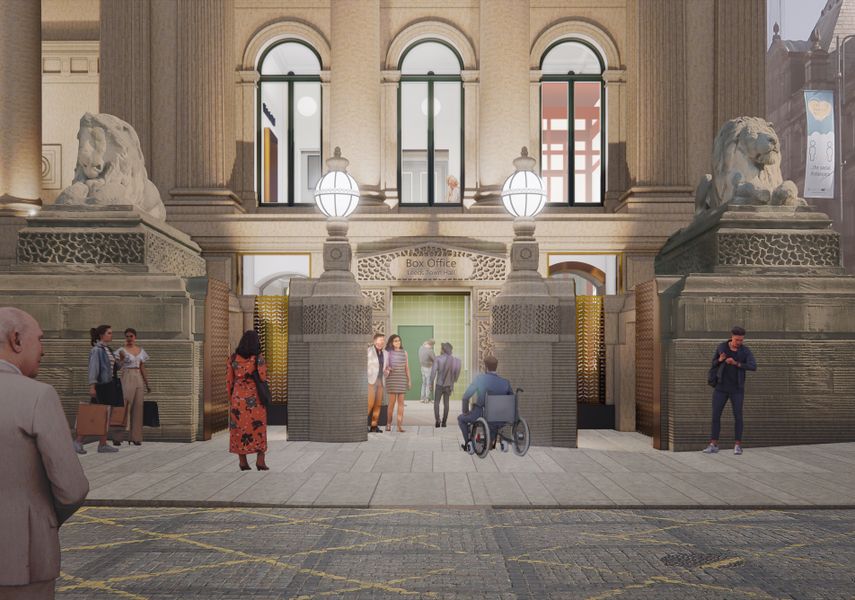
Leeds Town Hall closes in November 2021 for a once-in-a-generation refurbishment, safeguarding the building for future generations while enhancing accessibility and visitor facilities.
Find out how this historic landmark is being transformed and explore the work taking place behind the scenes on the about the refurbishment page.
Making musical history
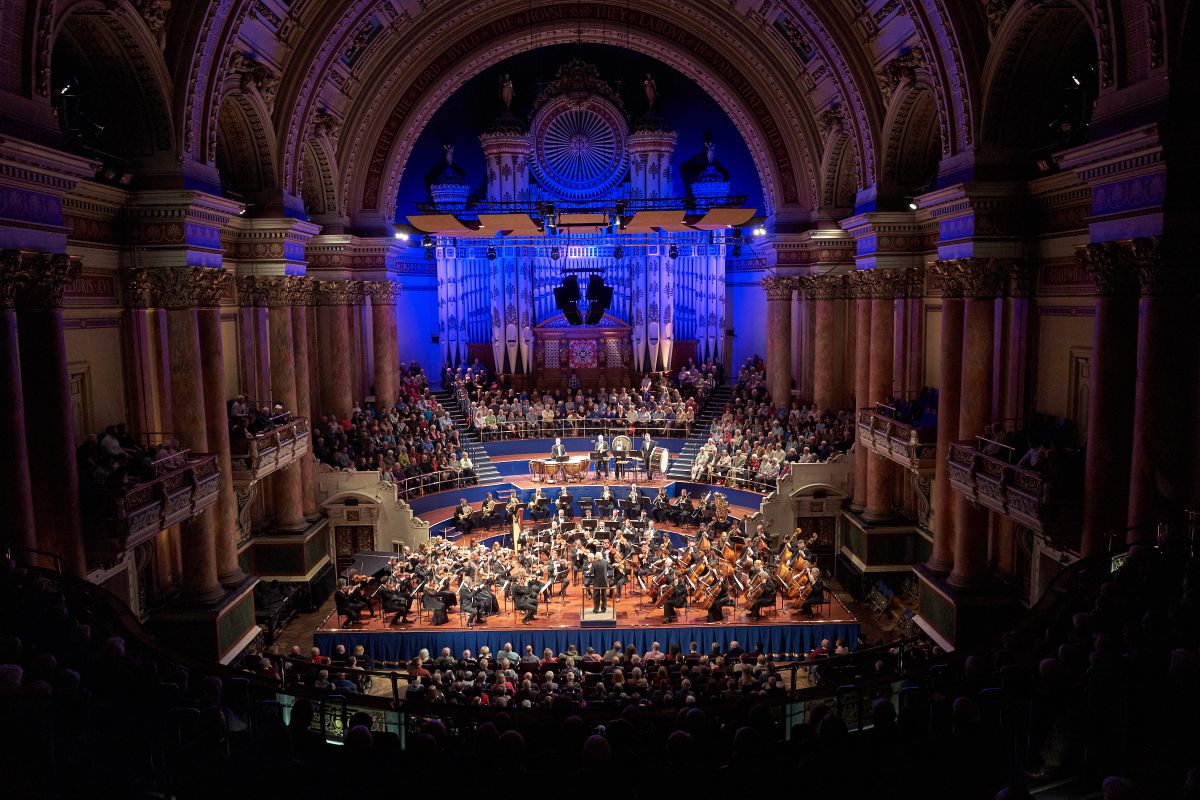
The Victoria Hall and its world-famous organ have provided the backdrop to some of Leeds' most notable musical moments. From major choral festivals and orchestral concerts to contemporary music, talks and comedy, generations of performers and audiences have passed through its doors.
The Town Hall hosted the world premieres of classical works including Arthur Sullivan's The Golden Legend (1886), Edward Elgar's Caractacus (1898), Ralph Vaughan Williams' A Sea Symphony (1910) and William Walton's Belshazzar's Feast (1931). It is also famous for hosting the internationally renowned Leeds International Piano Competition, which has brought many of the world's most talented young pianists to the city since 1963.
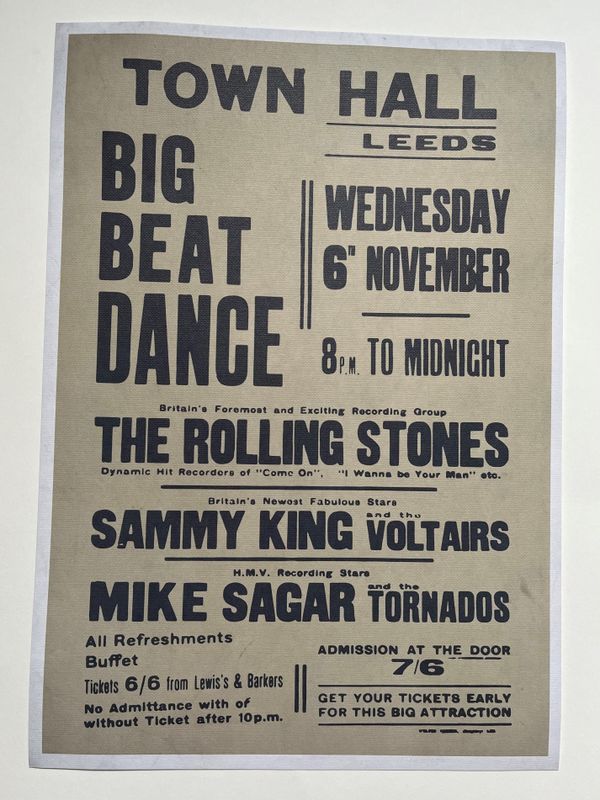
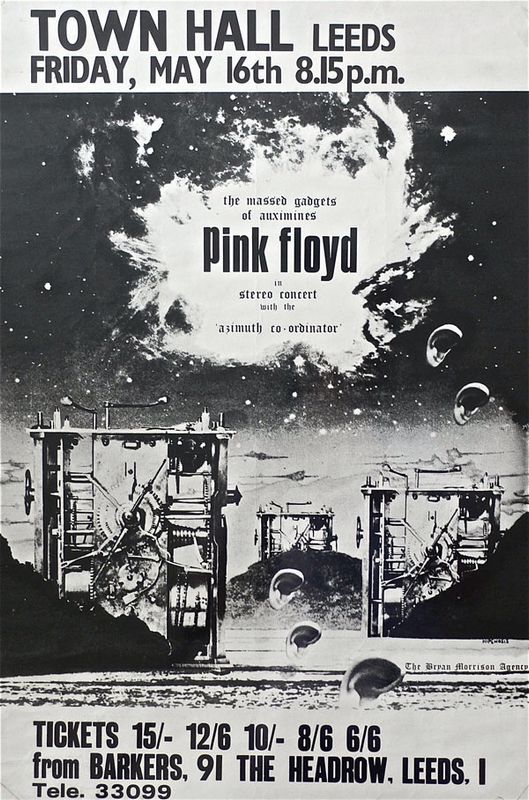
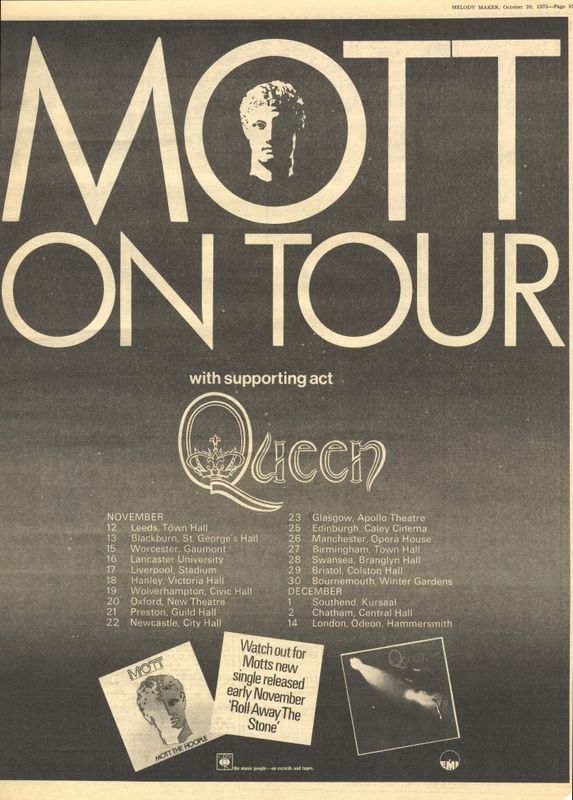
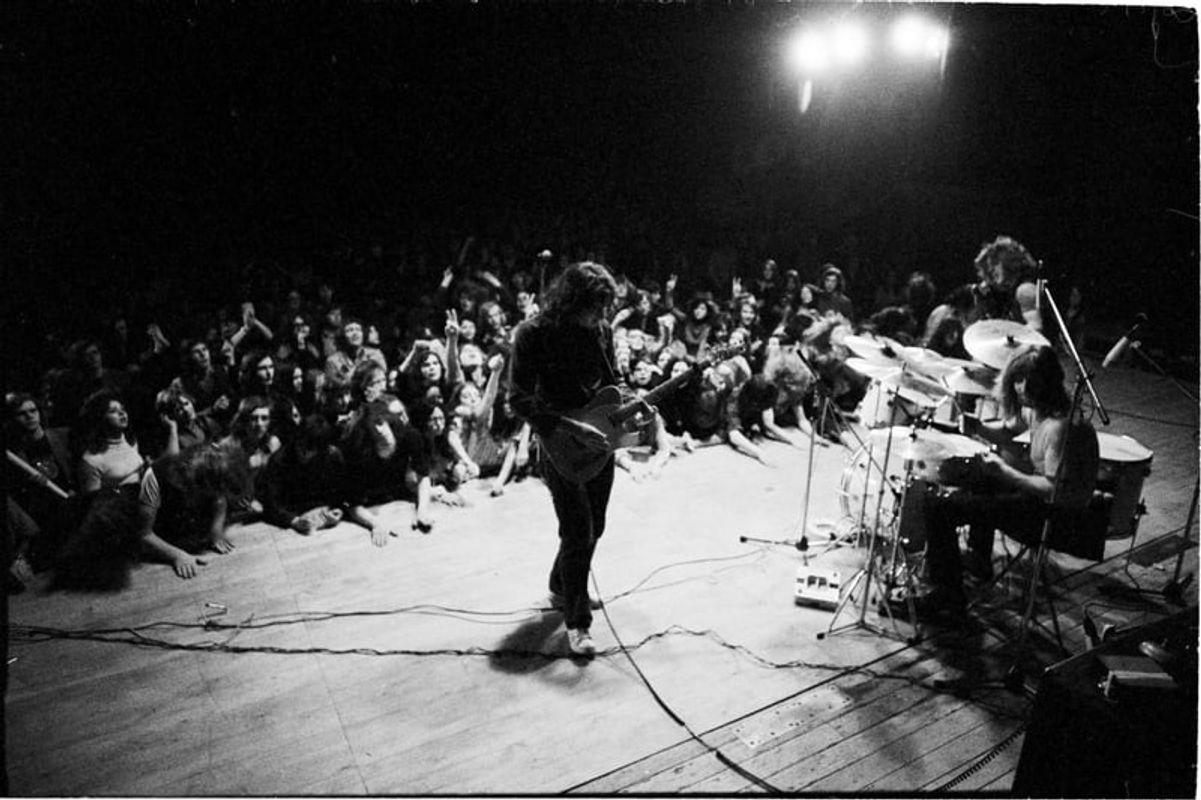
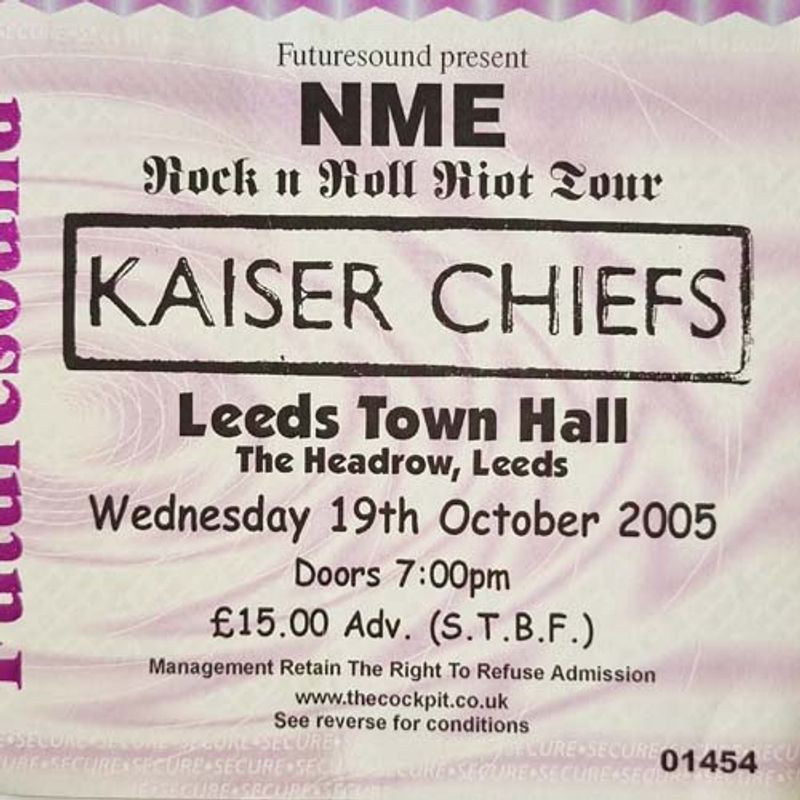
Over the decades Leeds Town Hall has welcomed some of the biggest names in popular music, including The Rolling Stones (1963), Pink Floyd (1969), Rory Gallagher (1971), Elton John (1971), Queen and Mott the Hoople (1973), Status Quo (1973), Cliff Richard (1974), Black Rebel Motorcycle Club (2003), the Kaiser Chiefs (2005), and Morrissey (2006).
Today Leeds Town Hall is the home of Leeds International Concert Season, the largest local authority-run concert season in the UK outside London, continuing a proud tradition of bringing outstanding artists and unforgettable live classical music experiences to Leeds audiences.
The Victoria Hall
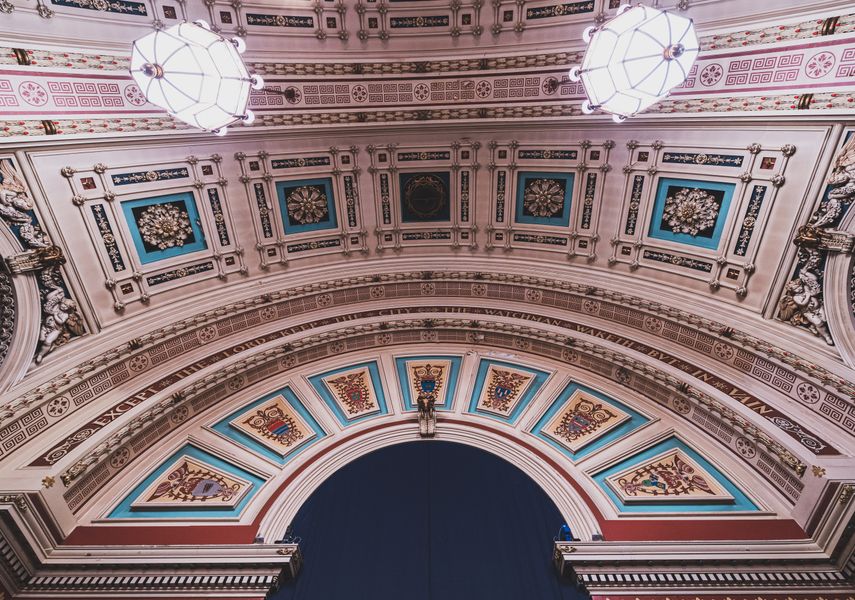
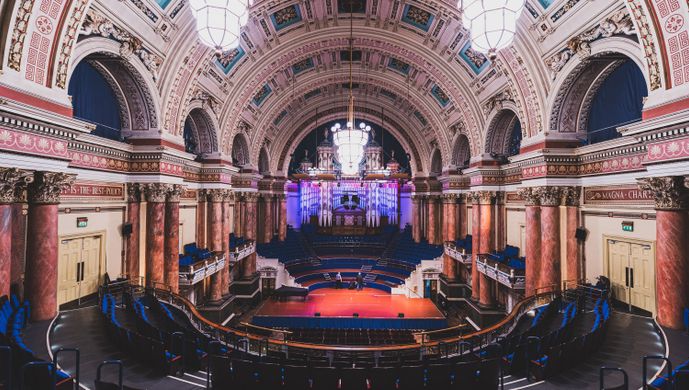
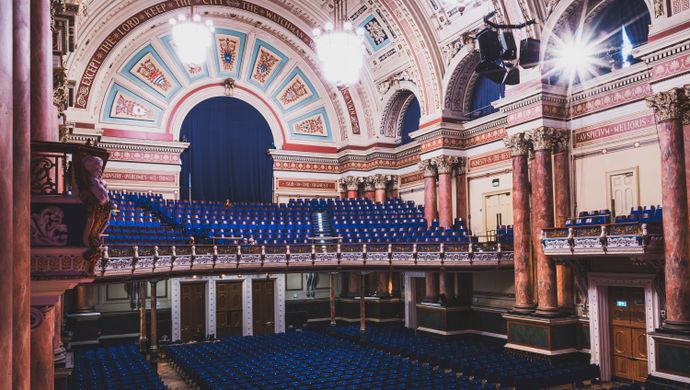
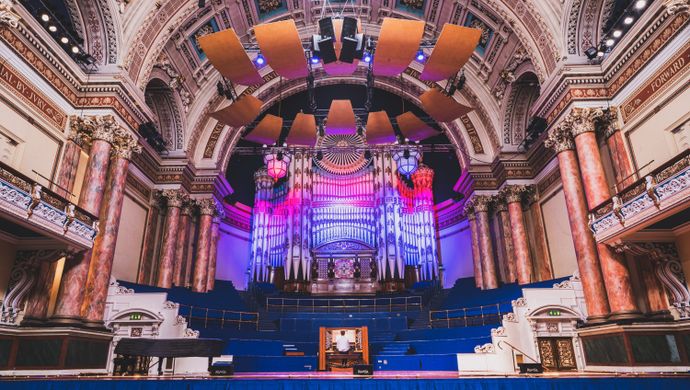
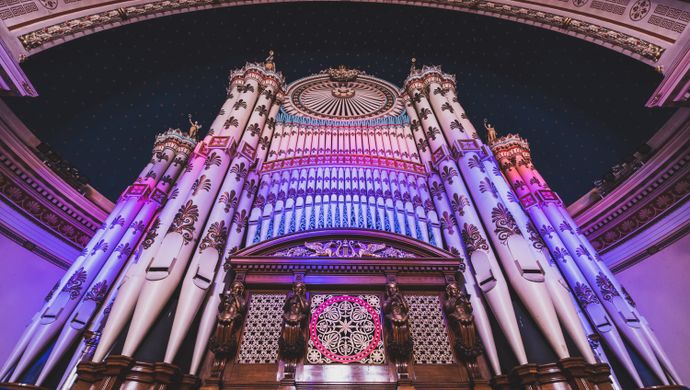
Leeds Town Hall’s main performance space, the Victoria Hall, features some of the finest Victorian decorative art of any public building in the country. Hundreds of artists were employed to create extensive and incredibly intricate, hand-painted, stencil designs on the façade of the Leeds Town Hall organ and around the hall itself, including the vast arched ceiling.
Throughout the 20th century a combination of urban pollution and redecoration caused the hall’s original Victorian splendour to fade or be lost altogether. A specialist team is now working to restore the decorative work in the hall, exposing stunning stencil designs and repainting and re-gilding features to match the original artistic intention. Once complete, this stunning Victorian artistry will be revealed and preserved for everyone to enjoy.
Leeds Town Hall organ
The Victoria Hall is home to a magnificent organ designed as a 5-manual by Henry Smart of London and William Spark of Leeds. Gray & Davidson of London built the organ between 1857-59. Although the organ was unfinished on the opening ceremony of the Town Hall, it was played by Henry Smart, accompanying a large chorus in the National Anthem and the Hallelujah Chorus from George Frideric Handel's Messiah. The organ was finished a few months later and was publicly inaugurated on 7 April 1859 by Smart and Spark, who gave two public performances.
A once in a lifetime opportunity has been seized to completely repair and renew the Town Hall’s organ, securing the future of this remarkable instrument for generations to come. The organ renewal project brings together leaders in the field of organ renovation to deliver this exciting and incredibly complex work.
For more information about the Leeds Town Hall organ please visit Leeds City Organist Darius Battiwalla's website, Nicholson & Co Ltd Pipe Organ Builder's website or the Organ Renewal Page on this website.
The Bridewell
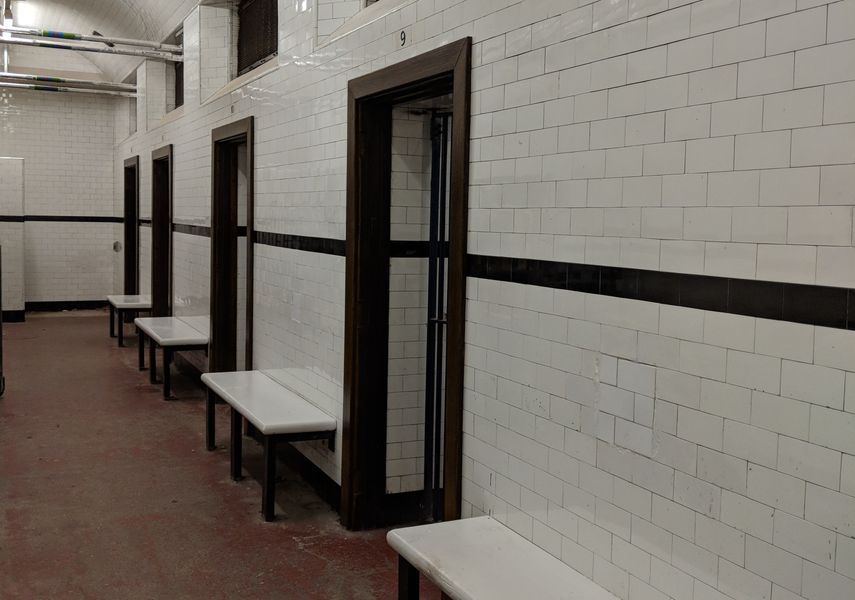
The Bridewell, or the Central Charge Office, was used to hold prisoners arrested and awaiting their appearance in court. The original cells, situated under the front steps, have a wooden bench, shackle rings, stone floors, whitewashed walls, and held up to four prisoners per cell. The ‘Bridewell Charter’ stated that “each prisoner should have half a loaf of bread and a pint of ale together with sufficient straw for bedding”.
Notorious Victorian criminal Charles Peace appears before the courts in 1879 and is sentenced to death. Legend has it his ghost still haunts the Bridewell cells beneath the building.
In 1937 the Bridewell was modernised with the addition of more cells and new toilets, and ventilation was improved. The old whitewashed walls were tiled, and the lighting and kitchen facilities were improved.