

Organ Renewal Project
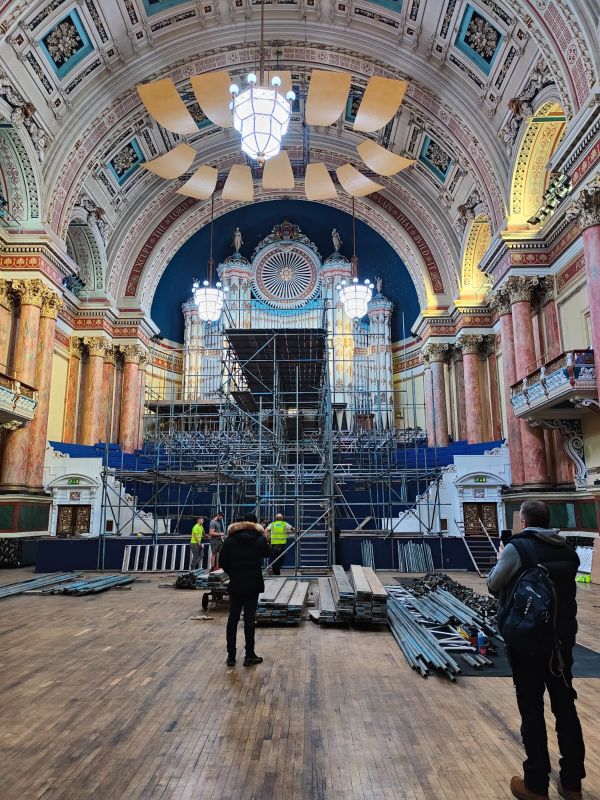
The closure of Leeds Town Hall in November 2021 has provided a once in a lifetime opportunity to completely repair and renew this incredible instrument and secure its future for generations to come. The £1.8 million organ renewal project brings together leaders in the field of organ renovation to oversee this exciting and incredibly complex work – something which has never been attempted on this scale before.
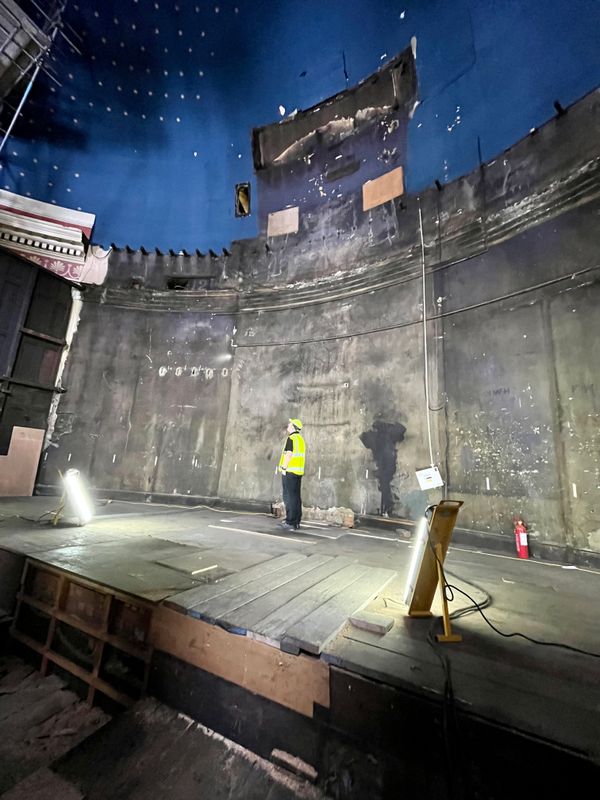
Since its installation in the 1850s, Leeds Town Hall’s organ has undergone a series of rebuilds and alterations, most recently in 1972. The past 50 years of constant use have taken a heavy toll on the instrument. Without urgent attention the city was at risk of losing a truly unique wonder of Victorian design and an important piece of Leeds’ heritage.
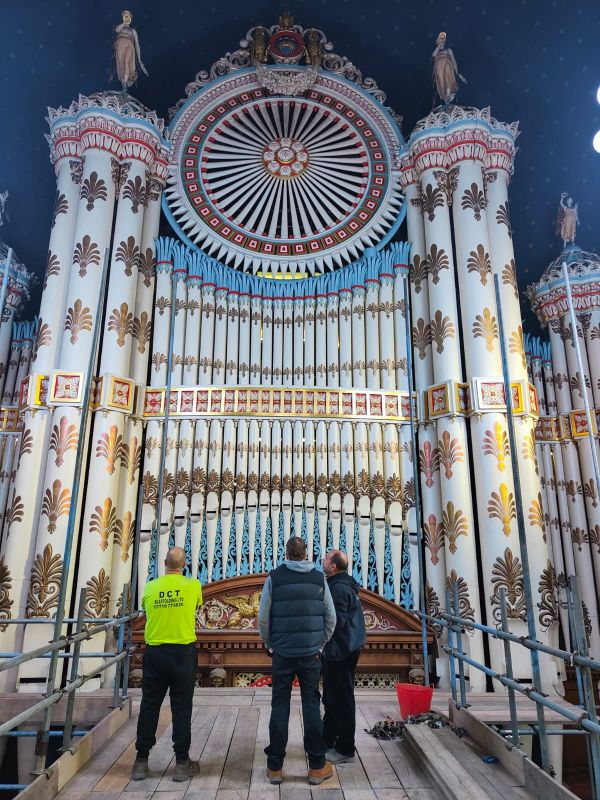
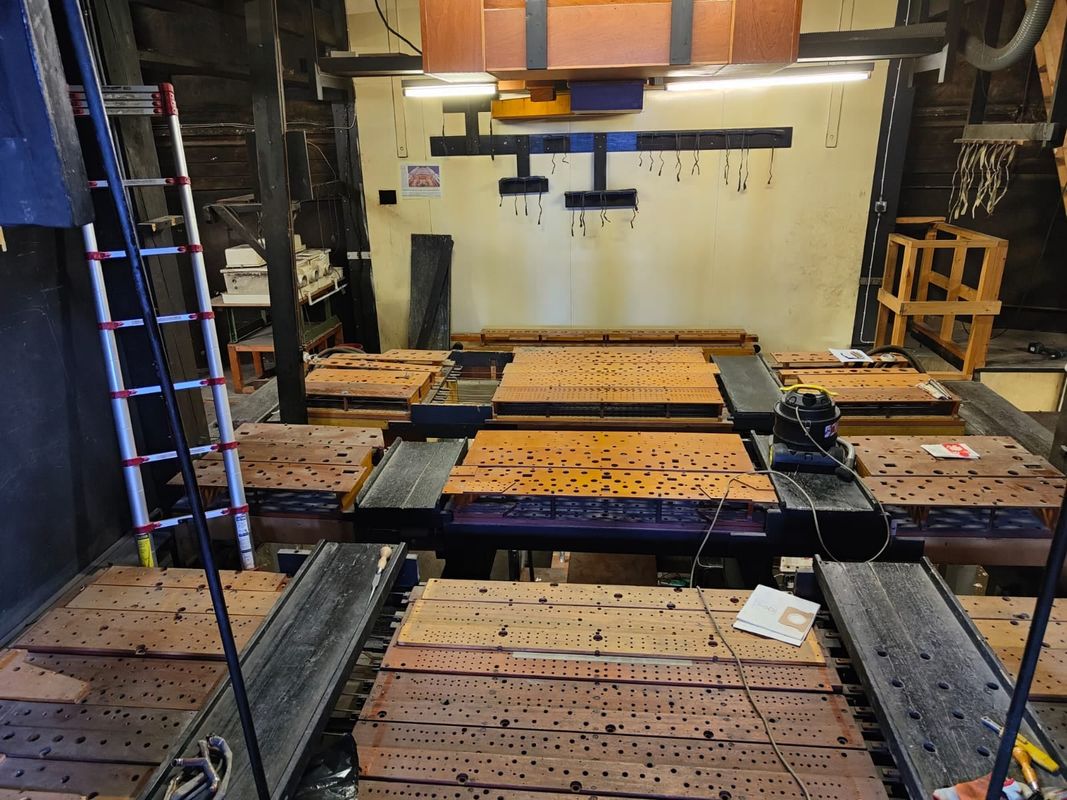
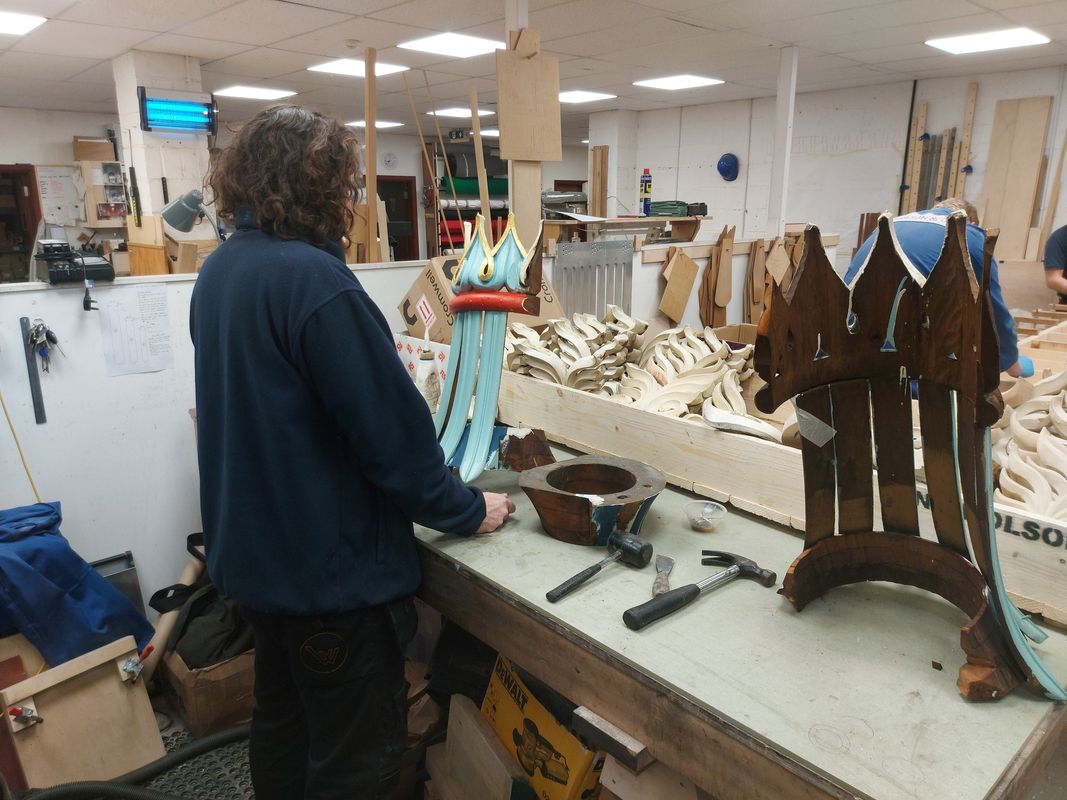
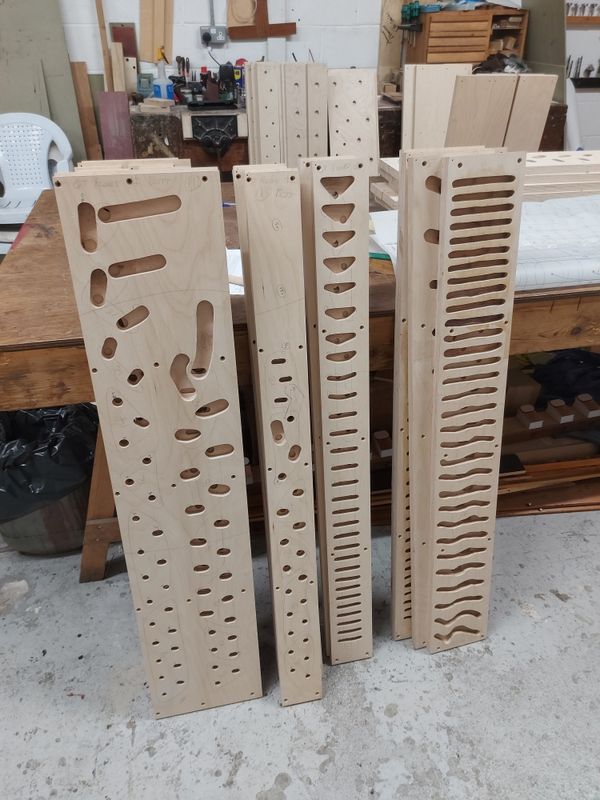
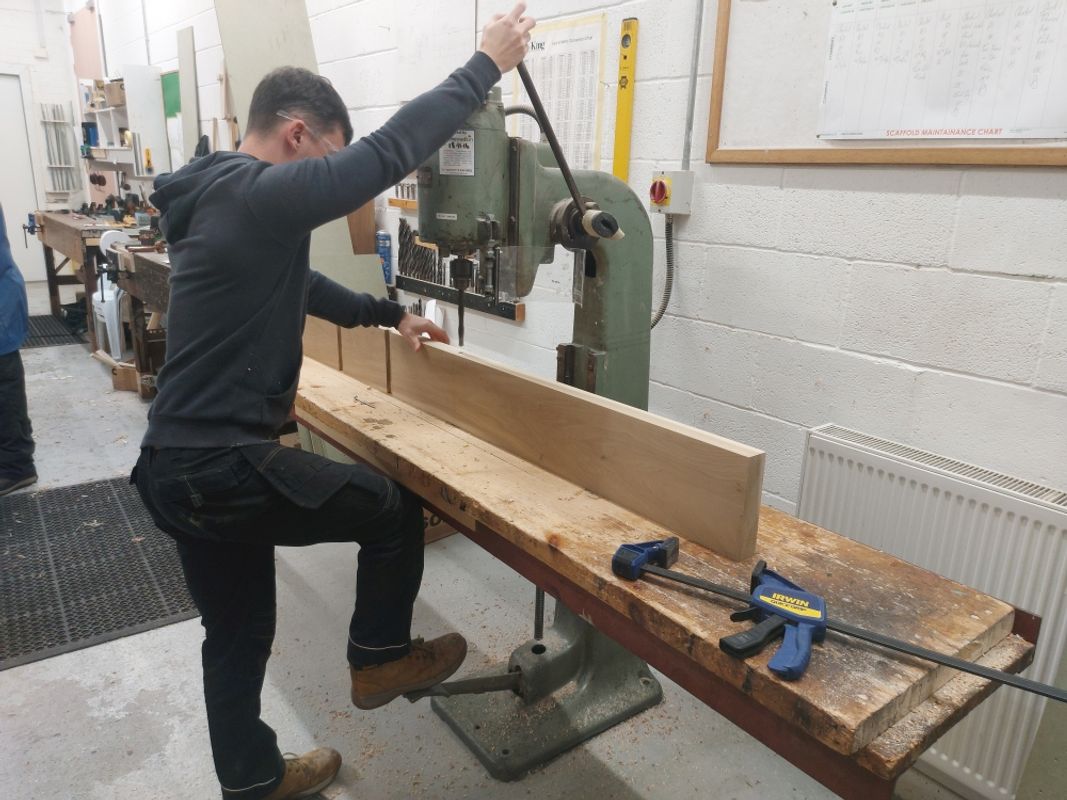
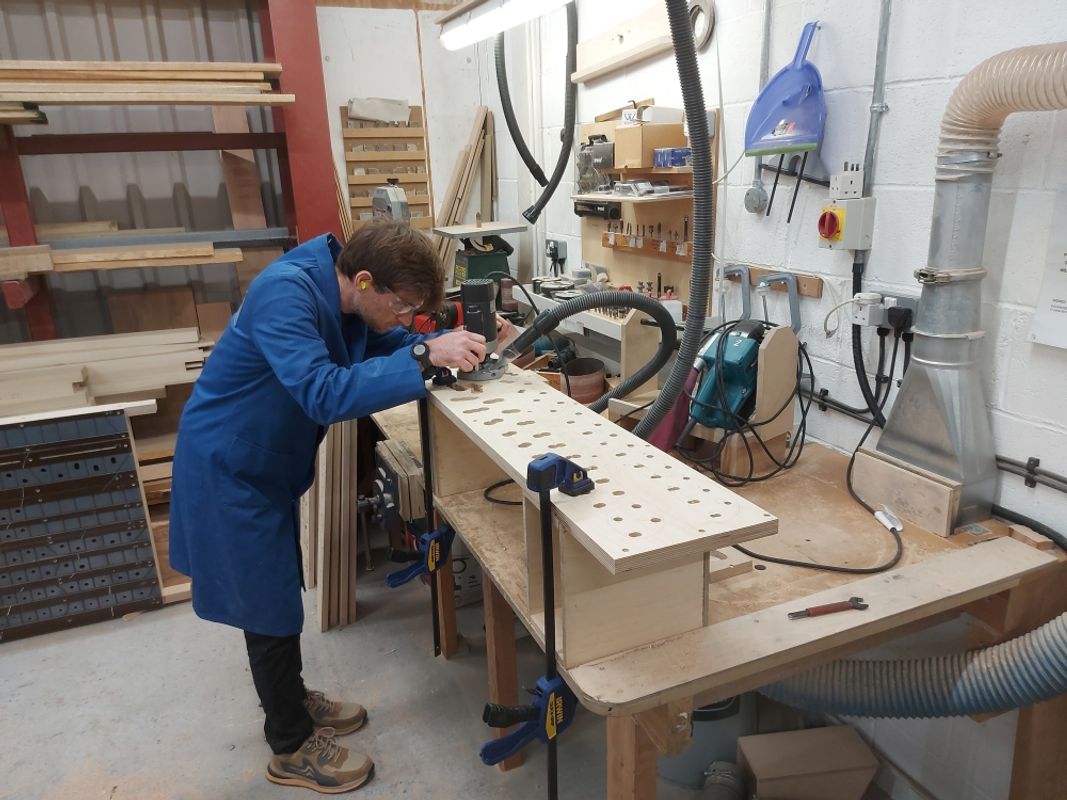
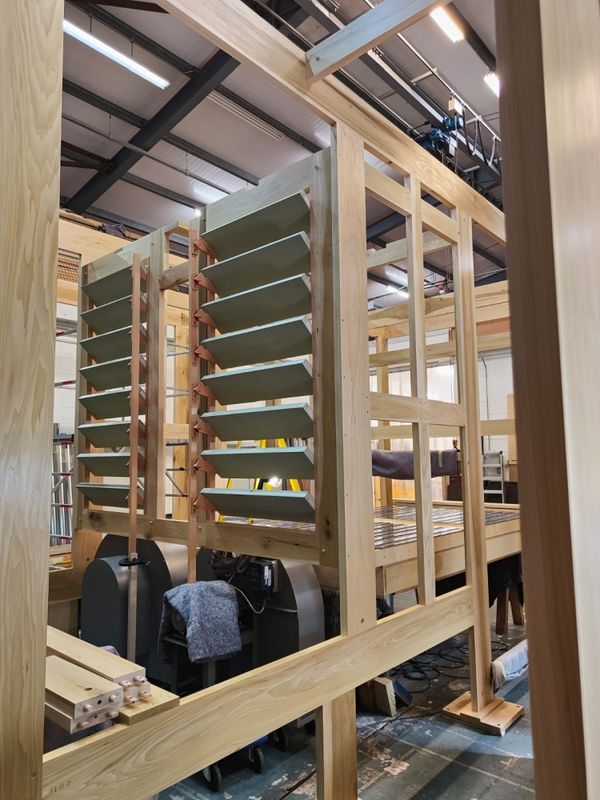
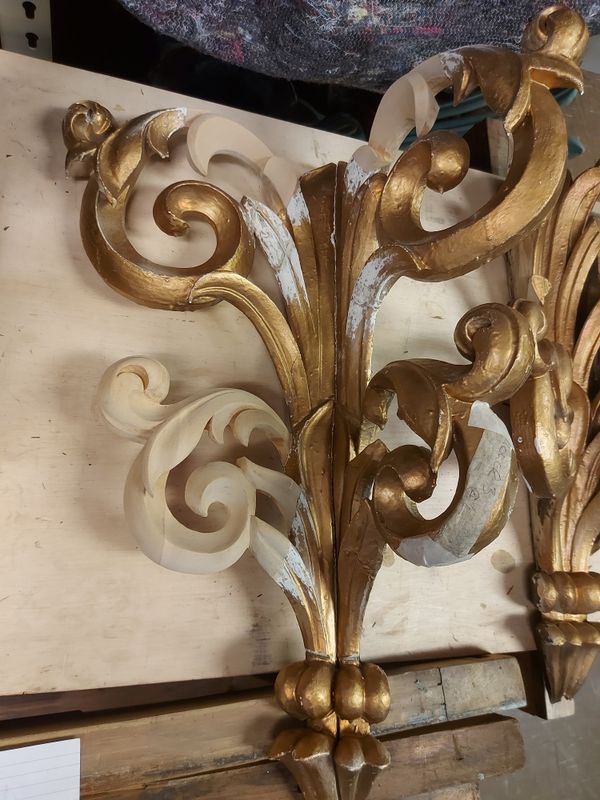
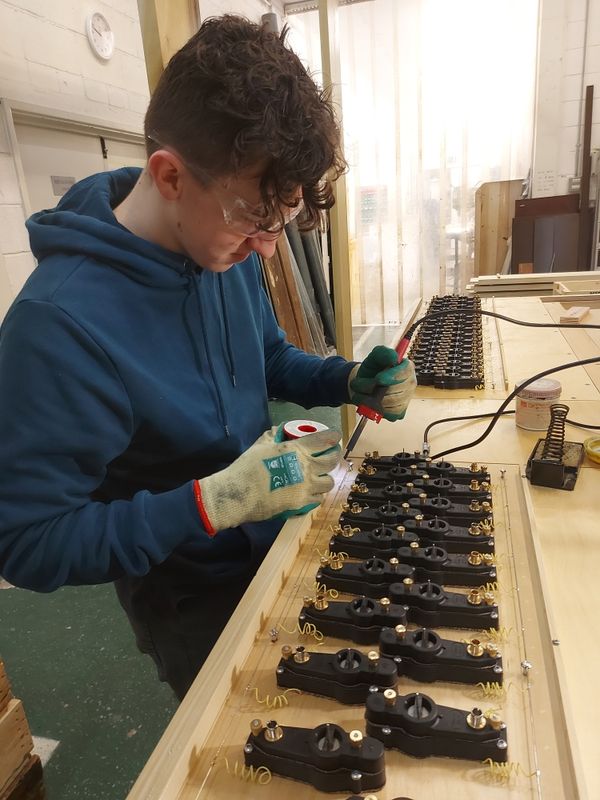
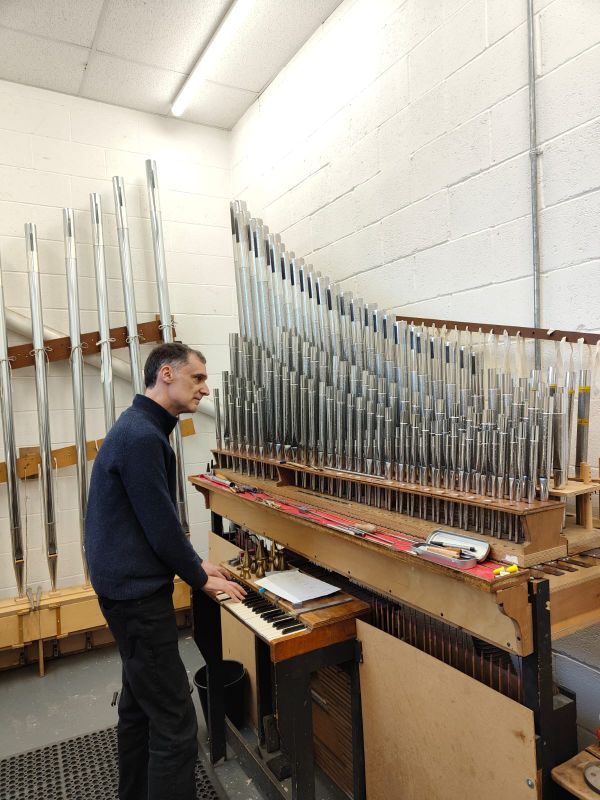
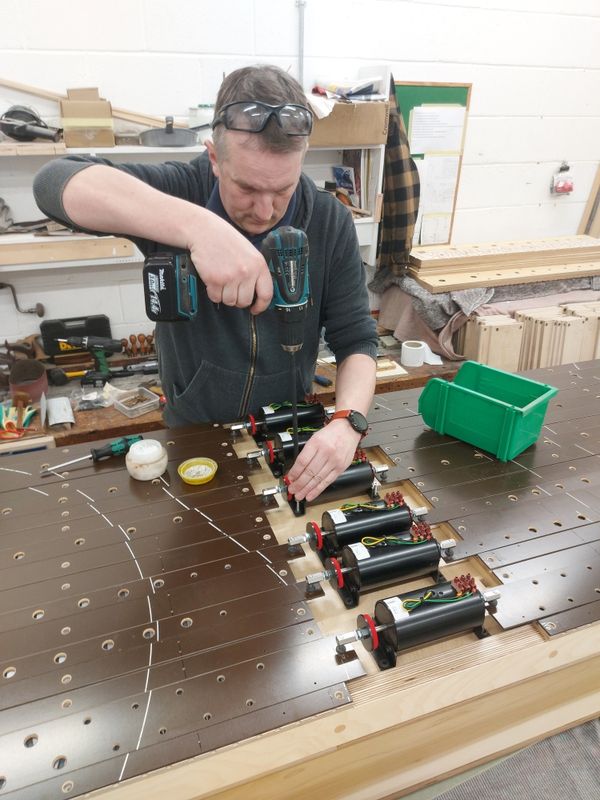
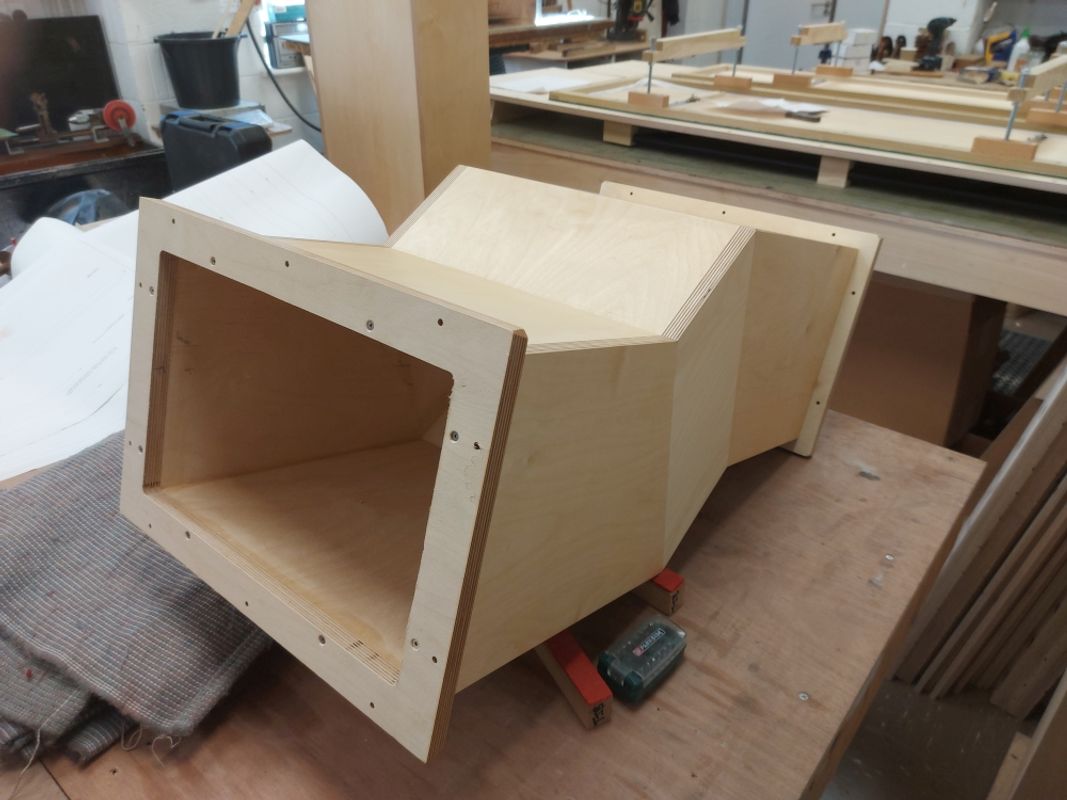
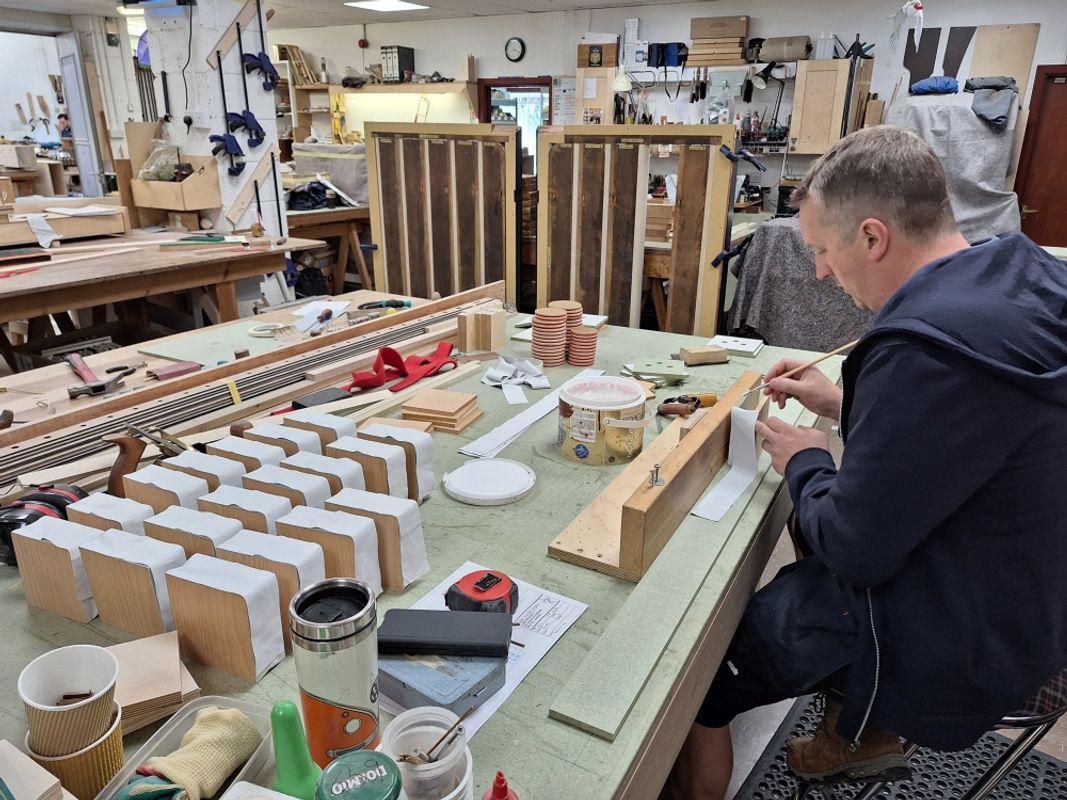
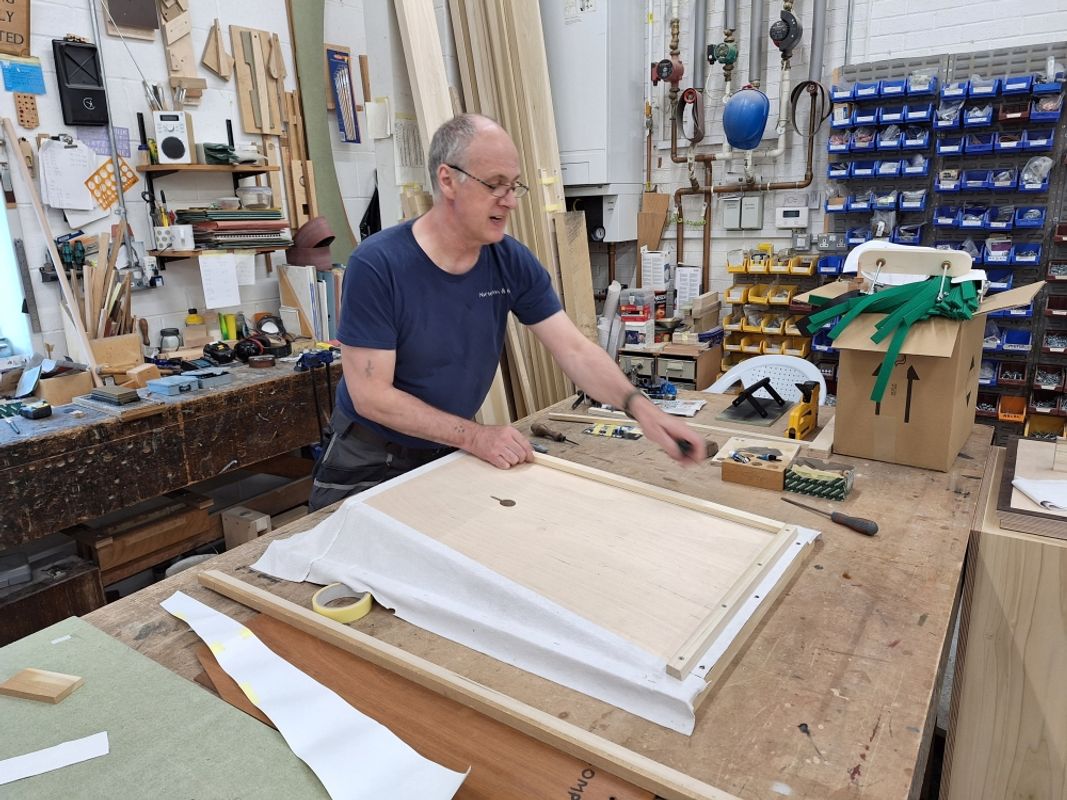
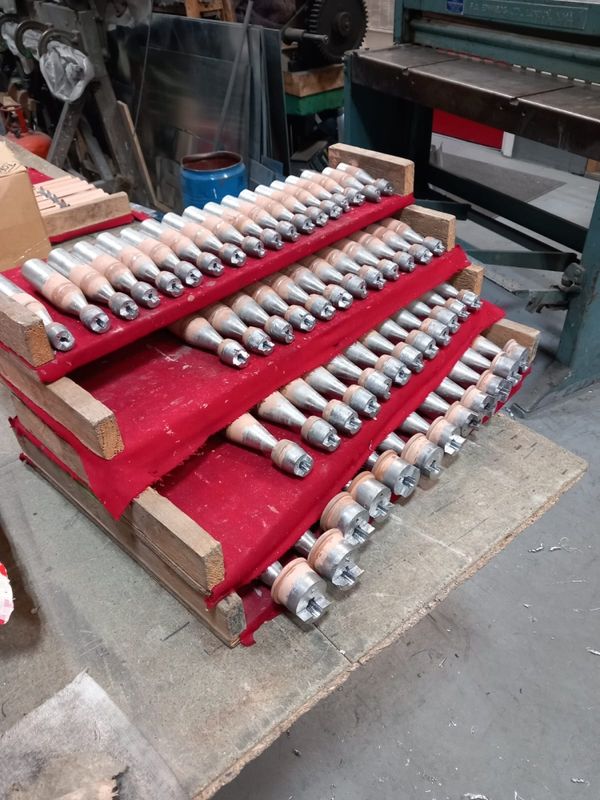
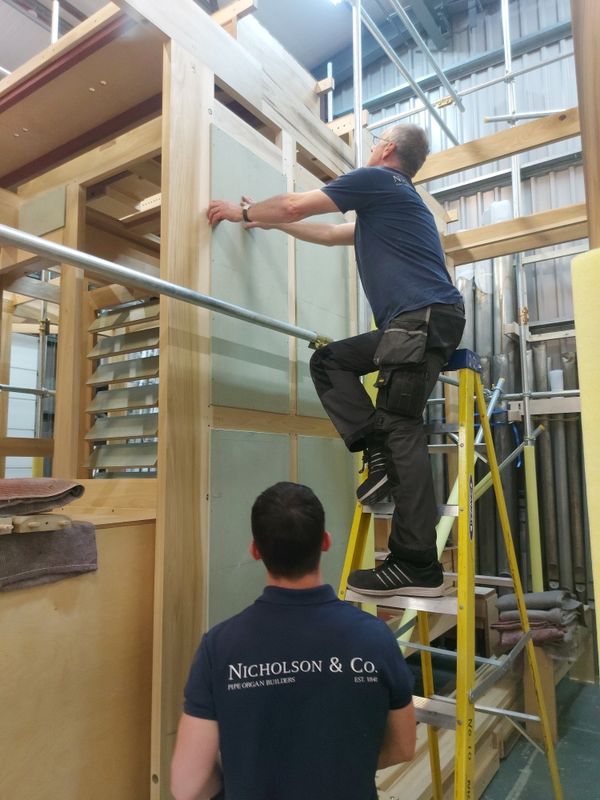
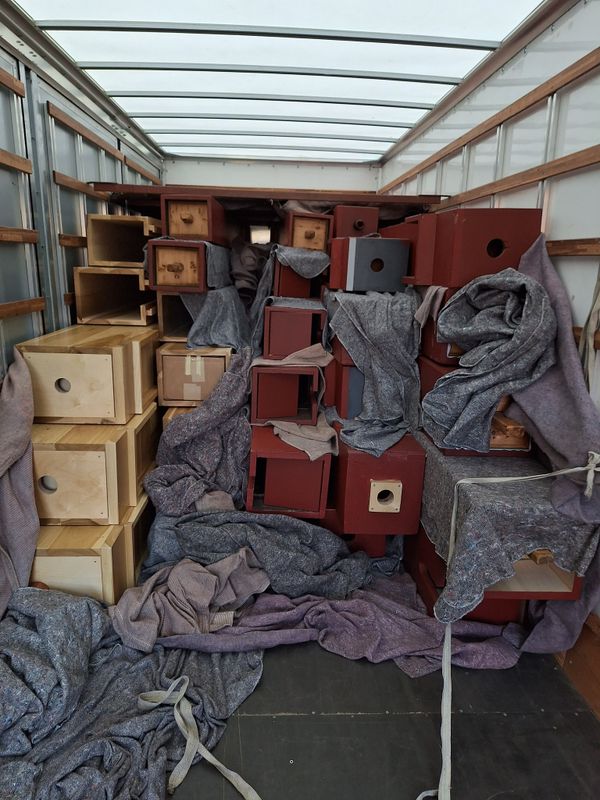
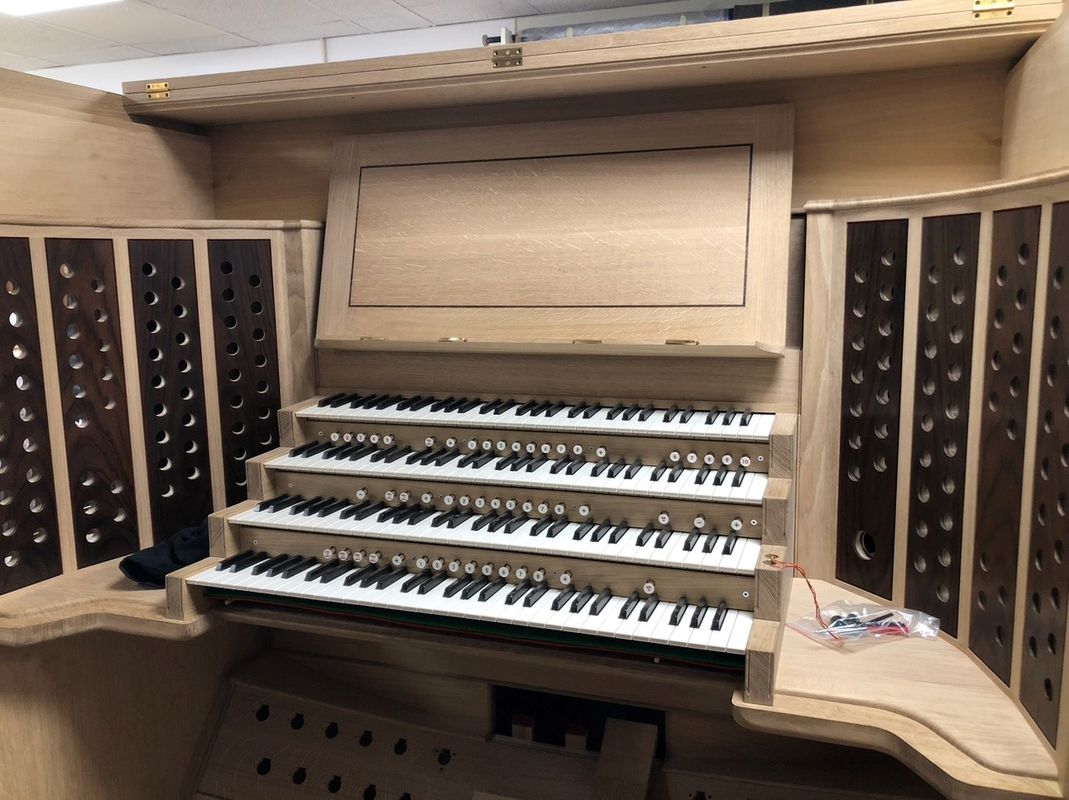
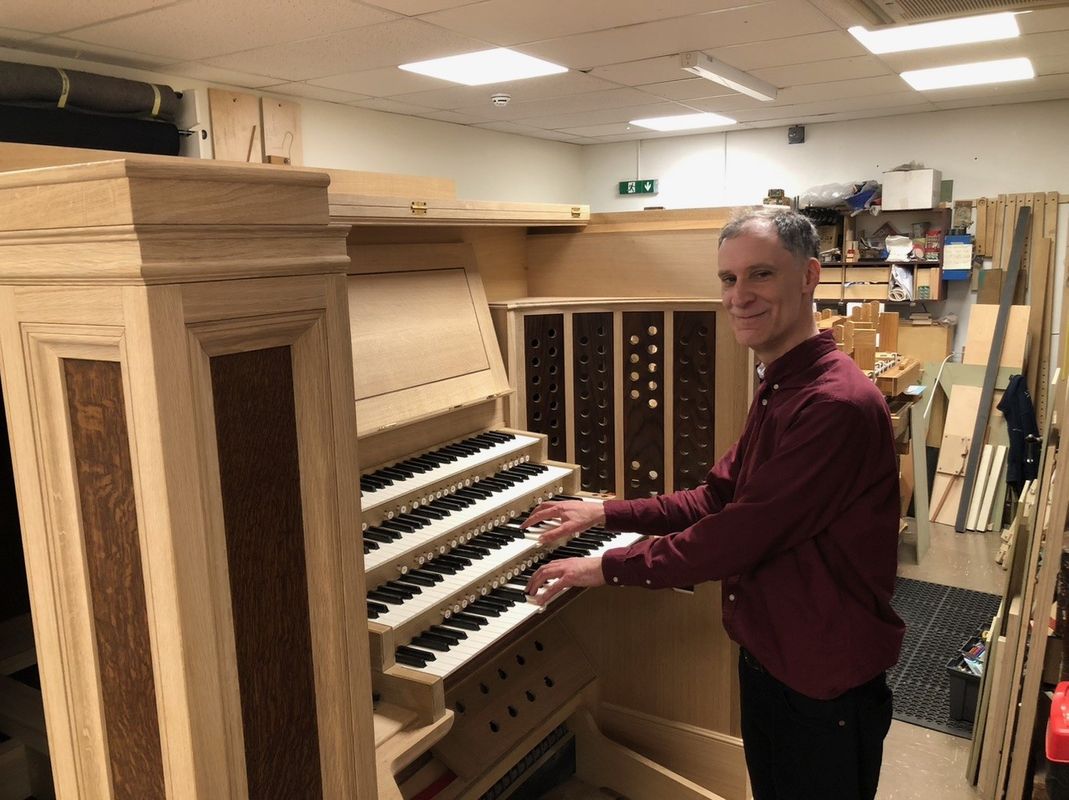
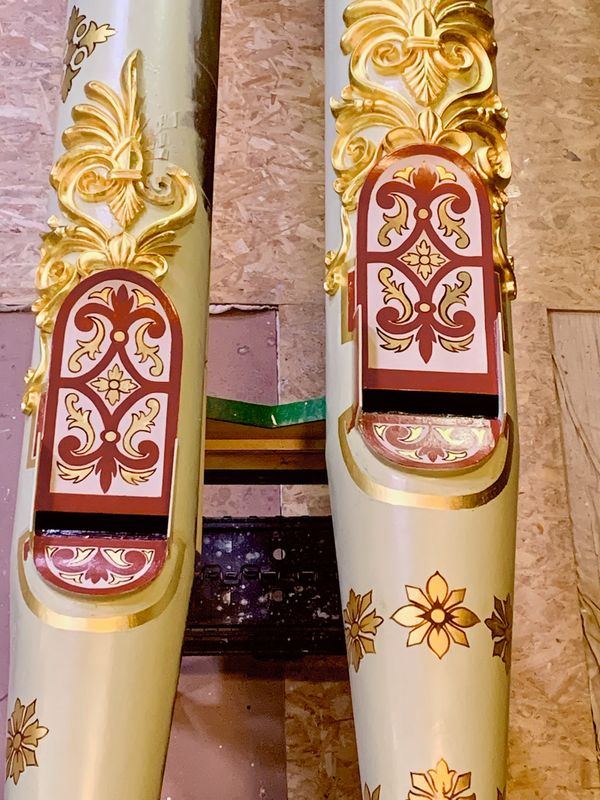
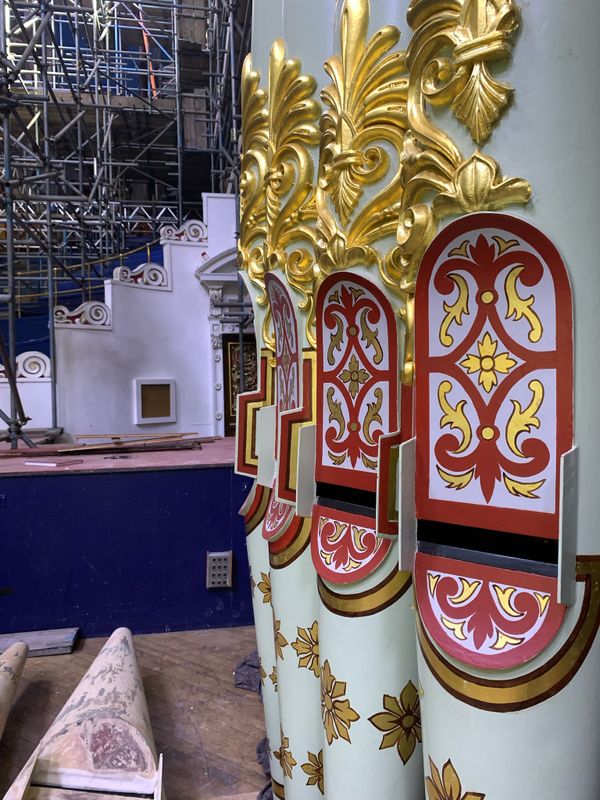
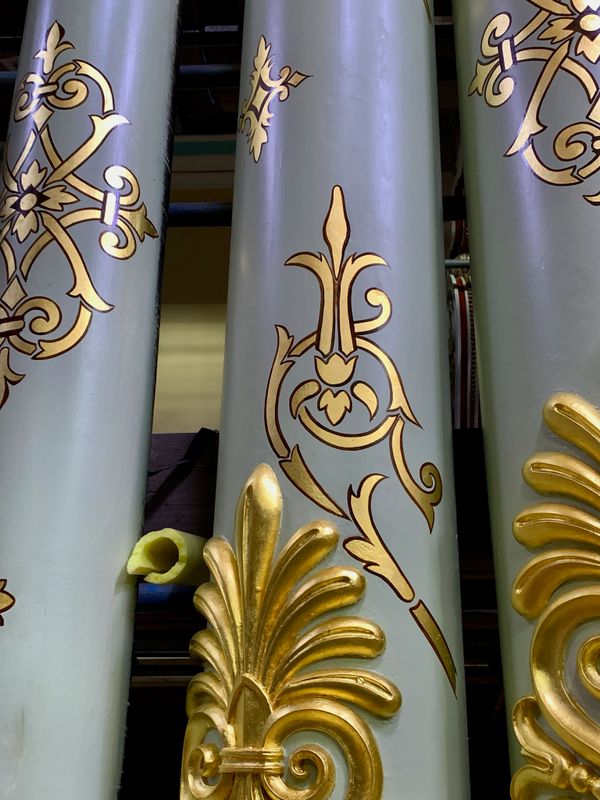
The organ renewal project has seen the instrument undergo extensive and far reaching work; the familiar casework and some of the pipes are being retained and repaired but all of the organ’s mechanism, console and about a third of its 6500 pipes are being made new.
The closure of Leeds Town Hall in November 2021 has provided a once in a lifetime opportunity to completely repair and renew this incredible instrument and secure its future for generations to come. The £1.8 million organ renewal project brings together leaders in the field of organ renovation to oversee this exciting and incredibly complex work – something which has never been attempted on this scale before.
Leeds Town Hall’s organ was originally built for the people of Leeds. Once completed, the renewed instrument will be one of the finest concert organs in Europe, and one that will last for the next 150 years for future generations to appreciate and enjoy.
For more information about the Leeds Town Hall organ, please visit Leeds City Organist Darius Battiwalla's website, or the Leeds Town Hall organ project page on Nicholson & Co Ltd Pipe Organ Builders website.
FAQs
Why does the organ need to be restored?
The organ was installed for the opening of Leeds Town Hall in 1858. It was completely rebuilt in the 1890s by Leeds firm Abbott and Smith. This rebuild, combined with more alterations in 1908 greatly changed the character of the organ, losing brilliance in favour of a more weighty sound. The organ was overhauled again in 1927; after that its condition gradually deteriorated until, by the 1960s, it had become quite unreliable. By 1968 it was unplayable and fell completely silent. In 1972 the instrument was fully restored and rebuilt by the local firm of Wood, Wordsworth & Co. but not everything was replaced. The Victorian materials have not fared well with a modern heating system, and many of the technological components have become completely obsolete. Because the organ has been ‘patched up’ over the years, maintenance and access have become very difficult.
Why is it so expensive?
Over 6,000 organ pipes all need to be individually controlled, supplied with wind at the correct pressure, and respond instantly to the player, involving a huge amount of very sophisticated technology. The framework and materials which hold the enormous weight of the instrument are costly. Rather than do another ‘patch up’ job, which would keep many of the existing problems, just over half of the existing pipes will be retained but everything else will be made completely new, including the console.
When the organ was first built it was one of the largest and most ambitious in the world – this renewal will result in one of the largest and most comprehensive concert organs in the country, reflecting the vision of the original builders.
Will the organ sound different?
Yes. In the 1970s the sound of the organ was changed considerably. It was made smaller and many of the rich colours of the Victorian instrument were lost, in favour of a cleaner and brighter sound. The organ renewal project will retain that clarity and brilliance but restore what was lost, resulting in a modern and versatile concert instrument with a huge range of colours and dynamics.
How will the organ be accessible and reach a wide audience?
The Leeds Town Hall organ is one of the most used organs in the country. Weekly Monday lunchtime recitals feature leading players from the UK and abroad for anyone to come and enjoy. It also features in the Leeds International Orchestral Series, and with visiting choirs, brass bands, and silent films in the Leeds International Film Festival. The new organ will be used to encourage and inspire a new generation of players, through joint projects with the Royal College of Organists, ArtForms Leeds, and Leeds Organ School, amongst others.
Why isn’t it being restored completely to its original state?
There’s very little of the original 1850s pipework left, and there aren’t enough unaltered examples of similar instruments for us to be sure exactly what it was like. Even if it were possible, it would not have the versatility required for today's repertoire and it would not be adequate to play with modern symphony orchestras and brass bands.
How long will it last?
With regular maintenance, it should be another 50-100 years before another major rebuild is necessary.
What if we don't raise the money?
The organ renewal project is financed by a commercial loan taken out by Leeds City Council, so as to guarantee work could be undertaken during the wider Town Hall refurbishment scheme. This loan will be paid back from funds raised through various fundraising schemes. If the money isn’t raised, loan repayments will be taken from the concerts budgets, thereby affecting the provision of concerts and events across the city.